On Bling, Being Bold, and Blindness: Molly Burke

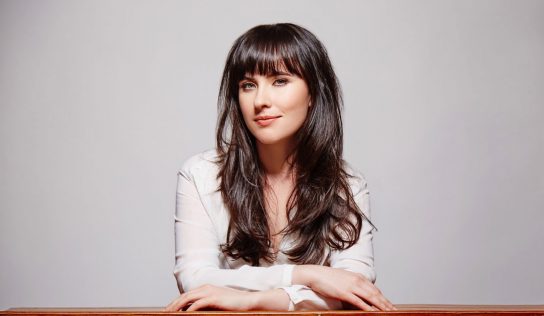
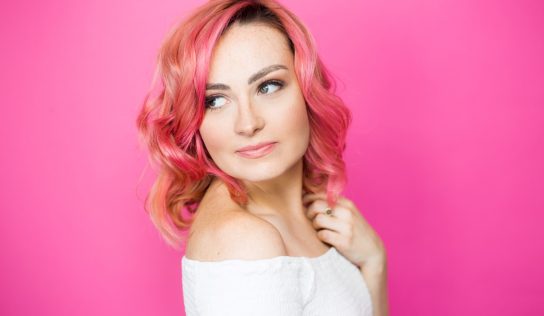
If you watch Molly Burke on YouTube, you’ll learn about her birth control horror story, skydiving, and fashion. Her ‘Blind Girl Story Times’ may also grab your attention.

Molly Burke is a Canadian native who was diagnosed with retinitis pigmentosa (RP), at age 4. She lost the majority of her sight within 10 years. Burke is now a full-time YouTuber, public speaker, and advocate for people with disabilities. She’s speaking in Pittsburgh Thursday, Sept. 12.

Photo Courtesy: Molly Burke

“From a young age, most disabled people are told, in some way, that their life would be better if they were able-bodied, Burke says in an interview with Erin Gannon, host of Look Who’s Here!

Burke wants people with disabilities to hear a powerful message about their potential.

At the age of 20, Burke experienced a traumatic moment. During a microphone check for a public speaking event, she fell off a stage. That led to severe neck injuries. Burke says she developed PTSD and anxiety. At about the same time, her guide dog passed away. 

“It was hard to stay positive,” Burke said. “I felt like I had already gone through so much in my life–like how could this be happening again?”

Burke credited her strong support system for moving past obstacles. On her YouTube channel, Burke shows that people with disabilities are capable of having fun, taking risks, and achieving goals–just like anyone else. Burke shares that she’s been bullied, lost friends and dealt with depression because of her eye disease. So she learned how to do a lot of things on her own. She taught herself how to do makeup and find her sense of fashion by listening to others’ YouTube videos. 

“It was amazing to find this group of what felt like friends to me online and I always knew that one day I wanted to make people feel like that,” Burke says. “So when I was 20, I started my channel.”

That was five years ago. Burke now has almost 2 million YouTube subscribers for her videos about beauty, everyday life, and all things blind. Through her videos, Burke helps people learn about RP disease. One subscriber said she was able to notice the early signs of RP thanks to Burke’s channel.

Burke says that she’s adjusted to living with RP and doesn’t believe a cure would benefit her. In the future, Burke hopes to have her own fashion line, start a family, and live in her dream home.

Brianna McCall is a senior broadcast reporting major at Point Park University, and a practicum student working on the All-Abilities Media project with the Center for Media Innovation.


Show and Tell: A Dis/ability Symposium

SAVE THE DATE: OCTOBER 22, 2-5 pm

PITTSBURGH_ We’re welcoming and celebrating creative and academic work about the issue of “dis/ability”–the conditions and structures that impact one in five of us. Please join us.
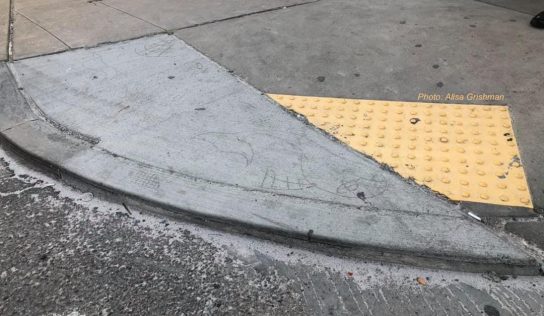
Illustrates questionable updates to infrastructure.
“What the actual F#$% Pittsburgh?” is what activist Alisa Grishman wondered when she saw this paved-over curb cut and rumble strip that formerly helped people with vision impairments and wheelchairs safely cross the intersection. Photo used with Grishman’s permission.

Sign up to attend our first community symposium. And consider sharing your poetry, choreography, or even your white papers. Submit a brief propos at this link.

Our partner in integrating people with disabilities in media work–the Center for Media Innovation–hosts this event in its state-of-the-art space at , in downtown Pittsburgh. The university’s Center for Inclusive Excellence supports this effort as well.

Register to attend this free event here.